
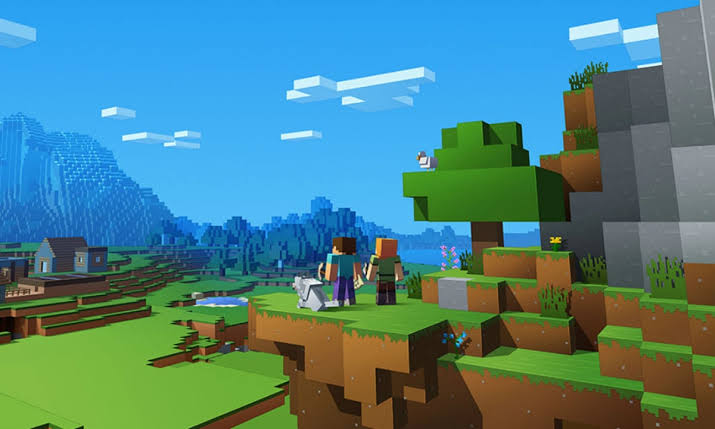
Modern games have changed the entertainment landscape by combining advanced technology with creativity and interactive experiences. Players today can access games through smartphones, computers, consoles, and online platforms, giving them more choices than ever before. From competitive multiplayer matches to peaceful simulation worlds, modern games provide experiences for almost every type of player.
The Development of Modern Gaming
The journey toward modern gaming began with simple electronic games that had limited graphics and basic controls. As computer processors, graphics systems, storage, and internet connections improved, developers gained the ability to build more detailed and complex experiences.
Modern games can contain large environments, sophisticated characters, realistic physics, dynamic sound, and interactive stories. Developers can also update games after release, allowing players to receive new features and content.
Variety of Modern Games
Modern gaming includes many genres. Action games are designed around fast reactions and challenges, while strategy games focus on planning and decision-making. Role-playing games allow players to develop characters and explore detailed worlds.
Sports and racing games provide competitive simulations of real-world activities. Puzzle games focus on logic and problem-solving, while simulation games allow players to manage virtual businesses, cities, vehicles, or other systems.
This variety allows players to choose experiences that suit their interests and preferred style of play.
Online Multiplayer Experiences
The internet has transformed modern gaming by making global multiplayer possible. Players can cooperate with friends or compete against opponents from different countries.
Many multiplayer games require communication and teamwork. Players may need to assign roles, share information, and develop strategies to achieve common objectives.
Online gaming has also created communities where people share guides, discuss game updates, organize events, and create content. These communities have become an important part of modern gaming culture.
Mobile Gaming
Mobile devices have made games more accessible than ever. Smartphones and tablets allow people to play games without purchasing dedicated gaming hardware.
Mobile games range from simple casual experiences to complex online games with detailed graphics and multiplayer features. The convenience of mobile gaming has helped introduce games to people who may not traditionally consider themselves gamers.
As mobile processors and graphics capabilities continue to improve, developers can create increasingly advanced experiences for portable devices.
Advanced Graphics and Sound
Modern technology has greatly improved the visual and audio quality of games. Developers can create detailed environments, realistic animations, lighting effects, weather systems, and high-quality soundtracks.
Sound design also plays an important role. Music, dialogue, environmental sounds, and effects can create atmosphere and make virtual environments feel more convincing.
Even so, impressive graphics do not automatically make a game successful. Good gameplay, controls, storytelling, and design remain essential.
Artificial Intelligence in Gaming
Artificial intelligence is becoming increasingly useful in modern gaming. AI can help create computer-controlled characters that respond to players and behave differently depending on the situation.
Developers may also use AI tools for testing and production tasks. Future games could potentially use adaptive systems that change challenges or environments based on how players interact with them.
This technology may make games feel more dynamic, but developers will still need to carefully design the experience to ensure that it remains fun and balanced.
Virtual and Augmented Reality
Virtual reality offers players a more immersive gaming experience by placing them inside digital environments. Players can look around, interact with objects, and experience games from a more direct perspective.
Augmented reality works differently by combining digital content with the physical world. These technologies provide developers with new ways to design games and interactive experiences.
As hardware improves, both technologies may become more accessible and comfortable for everyday users.
Esports and Competitive Gaming
Competitive gaming has become a major part of modern gaming culture. Esports events allow skilled players and teams to compete in organized tournaments.
Professional gaming requires practice, teamwork, strategic thinking, and strong concentration. Beyond players, the industry includes coaches, commentators, event organizers, broadcasters, and content creators.
Competitive gaming has also encouraged communities to follow tournaments and support their favorite teams and players.
Creativity and Game Development
Modern games are the result of collaboration between many creative and technical professionals. Programmers develop systems, artists create visuals, designers build gameplay mechanics, writers develop stories, and audio specialists create sound and music.
Independent developers have also gained greater opportunities to publish games. Digital distribution allows small teams to reach players internationally without relying entirely on traditional publishing methods.
Responsible Gaming
Modern games can provide entertainment and social interaction, but responsible habits are important. Spending excessive time gaming can affect sleep, exercise, education, work, and social responsibilities.
Players can enjoy games as part of a balanced lifestyle by taking regular breaks and making time for other activities. Parents and guardians can also help younger players understand online safety, privacy, and appropriate gaming habits.
The Future of Gaming
The future of gaming will likely bring further advances in graphics, artificial intelligence, cloud technology, virtual reality, and online connectivity. Games may become more personalized and responsive as developers gain access to new tools.
Cross-platform gaming may also continue to grow, allowing players using different devices to interact more easily. New creative tools may give players greater control over the worlds they explore and create.
Conclusion
Modern games have evolved into sophisticated interactive experiences that combine entertainment, technology, creativity, and social connection. Their development has created countless opportunities for players to compete, explore, communicate, learn, and express themselves.
As technology continues to advance, modern games will likely become more immersive and accessible. Yet the most important element will remain the same: creating enjoyable experiences that encourage players to participate, discover, and return for more.